Slow the Spread Across Every Building Students Live, Learn, and Train In.
A residence hall floor, a 300-seat lecture theater, a shared weight room, a dining commons — on a campus, illness travels with the crowd. GEIA dry misting disperses hypochlorous as a 1–3 micron mist that reaches the air, surfaces, and odors your custodial crew can't get to between uses. It runs as an added layer on top of your standard cleaning — never in place of it — to help reduce the pathogens that drive seasonal illness across campus.
GEIA Dry Misting in Universities & Higher Ed
See dry misting work across residence halls, lecture halls, and athletic spaces.
More Videos
A Campus Is a Dense Network of Shared Air. Custodial Crews Can Only Wipe the Surfaces They Can Reach.
Higher ed runs on shared space. Hundreds of students cycle through the same lecture halls every day, sleep two-to-a-room in residence halls, eat shoulder-to-shoulder in dining commons, and rotate through the same locker rooms, mats, and shared equipment in athletics. When one floor of a dorm catches a respiratory bug in October, it doesn't stay on that floor — and the custodial team is wiping high-touch surfaces with the same finite hours they had before enrollment grew.
Absenteeism is not just a health metric here — it's a financial one. Students who miss class fall behind; staff who call in sick leave gaps; and the productivity loss compounds across a 20,000-seat institution. National data shows that even a 10% reduction in absences saves an average school district up to $89,000 a year. At university scale, with tuition, housing, and staffing on the line, the cost of a bad flu season is far larger — and conventional cleaning has no way to treat the air students breathe between classes.
- Whole-room treatment for the air and surfaces a wipe-down can't reach — vents, lockers, ceiling height, upholstery
- A workflow that adds no meaningful labor to an already stretched custodial schedule
- Something safe to run in occupied spaces — dorms, libraries, and dining don't fully empty
- Coverage that scales from a single dorm room to a 50,000-square-foot field house
Dry Misting Moves Through a Space the Way Air Does.
GEIA equipment disperses hypochlorous as a 1–3 micron dry mist that fills the full volume of a room — the air students breathe, the surfaces a cloth never touches, the inside of lockers, the gaps between dining-hall chairs. Hypochlorous is the same molecule the human immune system produces, non-toxic, pH neutral, and residue-free. The mist is ultra-fine: no wet desks, no soaked electronics, no drying time. A lecture hall or locker room is treated in minutes, with no wiping and no added custodial headcount.
Whole-Building Reach
One cycle treats dorm rooms, lecture halls, libraries, dining commons, and athletic spaces — air and surfaces together, including the spots a wipe-down misses.
Safe in Occupied Spaces
Hypochlorous is non-toxic and pH neutral, so treatment can run in spaces that never fully clear — study lounges, residence-hall commons, training rooms.
No Added Labor
No wiping, no drying time, no extra crew. Cycles run between classes, between practices, or overnight — layered onto the cleaning you already do.
From a Single Dorm Room to a Whole Field House
What Changes When the Whole Environment Gets Treated
"The locker rooms and weight rooms were our worst odor and air-quality problem. We layered GEIA in after the crew's normal cleaning and the difference in the air was immediate. It reaches inside the lockers and across the whole room in a way wiping never did."
— Director of Athletic Facilities, university (name on file)
How GEIA Layers Onto Campus Cleaning
Custodial Crew Cleans
Your team runs standard cleaning first, unchanged — floors, trash, restrooms, and the visible surfaces of dorms, halls, and dining spaces.
Wipe High-Touch Surfaces
Door handles, desks, rails, and shared equipment get a targeted wipe-down — the high-touch points that need direct contact.
Run GEIA Dry Mist
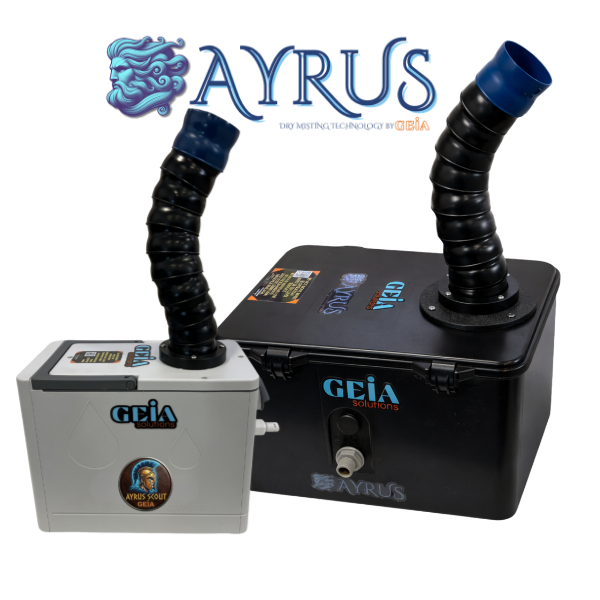
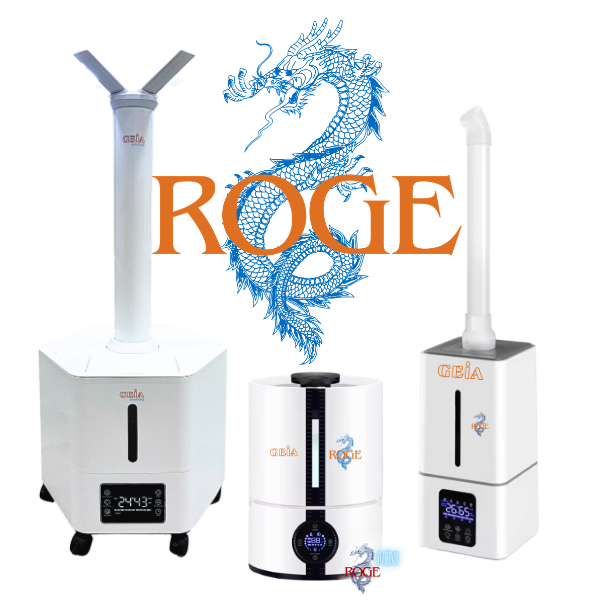
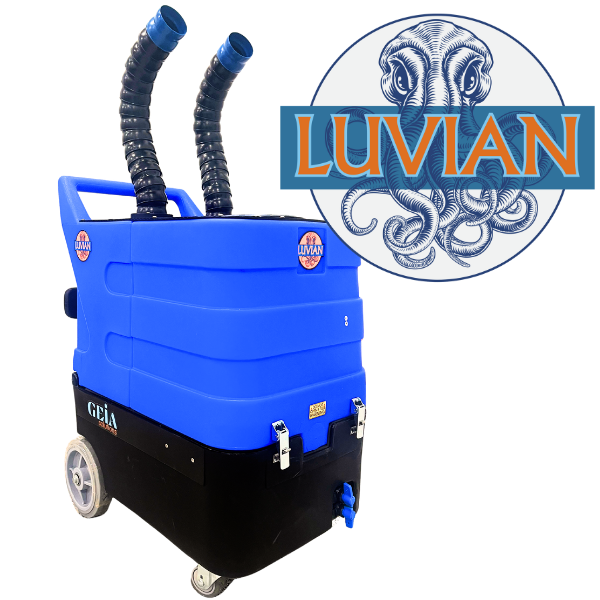
Portable AYRUS treats rooms one by one; set-in-place ROGE runs intermittent fog cycles in fixed spaces; mobile LUVIAN sweeps a field house or dining commons — reaching the air and surfaces the first two steps couldn't.
Document & Maintain
Cycle logs support your facilities records. Tablets refilled on schedule. Descaler every 6 months. Ongoing labor: minutes per unit per month.
Frequently Asked Questions
No. GEIA works alongside your existing cleaning — never in place of it. Your crew cleans first, high-touch surfaces get wiped, and then GEIA dry misting treats the air and surfaces those steps couldn't reach. It's an added layer, not a substitute for standard cleaning.
Hypochlorous is non-toxic, pH neutral, and the same molecule the human immune system produces. It can be used in occupied spaces, which is why campuses run it in residence-hall commons, libraries, and study lounges that never fully clear. Your distributor will confirm the right cycle settings and chemistry for each space.
It's a wet application, but the mist is ultra-fine — 1–3 micron particles that don't leave desks, laptops, library materials, or seating damp. There's no wiping and no drying time, so a lecture hall or computer lab can be treated and back in use in minutes.
By treating the air and surfaces across the shared spaces where illness spreads, GEIA helps reduce the pathogens that cause seasonal illness on campus. National CDC and ADA data shows even a 10% reduction in absences saves an average district up to $89,000 a year; at university scale, the tuition, housing, and staffing exposure is far larger. GEIA helps support healthier attendance without adding custodial labor.
Athletic spaces are where odors, bacteria, and viruses build up — inside lockers, on shared equipment, and in the air itself. Dry misting moves through the space the way air does, reaching those difficult areas while staying safe for athletes and staff to be around. The result is better-controlled odors, improved air quality, and support for keeping players healthier — the same approach professional and collegiate athletic organizations use in their locker rooms, weight rooms, and training facilities.
GEIA equipment disperses hypochlorous solutions. EPA registration sits with the chemistry, not the equipment. 3.3g and 6.5g Tablets are EPA-registered HOCl-producing tablets. GEIA equipment is also compatible with other EPA-registered HOCl tablets, ready-to-use HOCl, and HOCl generators many distributors supply. Your distributor will confirm the chemistry your campus uses meets your requirements.
Invest in the Health of Your Students Today
Get a custom quote for your campus, or schedule a live demo — we'll mist a lecture hall or locker room while your facilities and health leads stay in the room and watch it work.