
Treat the Whole Bus in Minutes. No Wipe-Down Required.
Between morning and afternoon routes, there's no time to wipe down every seat, rail, and vent — and a cloth never reaches the air students just spent 40 minutes breathing. GEIA dry misting fills the entire bus interior with a 1–3 micron hypochlorous mist that reaches seats, rails, floors, vents, and the air itself in minutes. It runs as an added layer on top of your standard fleet cleaning, keeping buses on schedule without adding labor.
GEIA Dry Misting in School Buses
See a fleet treated between routes — interiors done in minutes.
More Videos
A Bus Is a Shared, Enclosed Space — and the Turnaround Window Is Brutally Short.
Forty-plus students cycle through the same enclosed cabin twice a day, every day. They cough, they touch every rail and seatback, and they breathe the same recirculated air. Whatever is going around the school rides the bus home and back again. But the window to do anything about it is tiny — drivers turn routes back-to-back, and there simply isn't time to hand-wipe every surface, let alone treat the air, between runs.
So most fleets do what they can: a quick sweep, maybe a wipe of the rails, and back out the door. The seats, the vents, the floors, the gaps a cloth can't reach, and the cabin air all go untreated. Parents complain about lingering smells. Illness spreads. And the maintenance crew has neither the hours nor a tool that can treat a whole bus interior fast enough to keep the fleet on schedule.
- Whole-interior treatment — seats, rails, floors, vents, and the air — not just a rail wipe
- A turnaround measured in minutes so buses stay on their route schedule
- No wipe-down, no residue, and chemistry that's safe for students, drivers, and staff
- Something that scales across an entire fleet without adding maintenance headcount
Every Surface, Automatically — and the Air Students Breathe.
GEIA equipment fills the bus cabin with hypochlorous as a 1–3 micron dry mist that reaches seats, rails, floors, vents, and the hard-to-clean gaps in between — automatically, with no wiping and no missed spots. It also treats the air, helping reduce airborne germs and the odors that linger after a full route. Hypochlorous is gentle, non-toxic, non-irritating, and residue-free, so the cabin is safe for students, drivers, and staff. Each bus is done in minutes, not hours — keeping the fleet on schedule without increasing labor.
Every Surface, Automatically
Reaches seats, rails, floors, vents, and hard-to-clean areas — no wiping, no missed spots. One cycle covers the whole interior.
Cleans the Air Students Breathe
Helps reduce airborne germs and the lingering odors that build up over a full route, improving overall air quality inside the cabin.
Done in Minutes, Not Hours
Each bus is treated quickly between routes, keeping the fleet on schedule with minimal downtime — and without increasing labor.
Built for Fast Turnaround at the Bus Yard
What Changes When the Whole Cabin Gets Treated
"We were never going to hand-wipe forty buses between routes — there's no time. Now one person walks the line with the unit and each interior is treated in minutes. The smell complaints stopped, and we never miss a route turnaround."
— Transportation Director, school district (name on file)
How GEIA Fits Into Your Route Turnaround
Standard Bus Cleaning
Your crew runs its normal routine first, unchanged — sweep the floor, clear trash, handle any visible messes.
Wipe High-Touch Surfaces
Rails, the driver area, and any obvious high-touch points get a targeted wipe-down — the spots that need direct contact.
Run GEIA Dry Mist
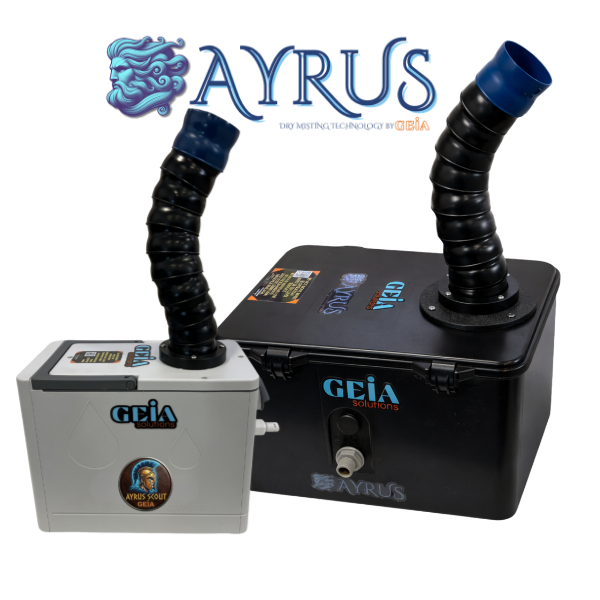
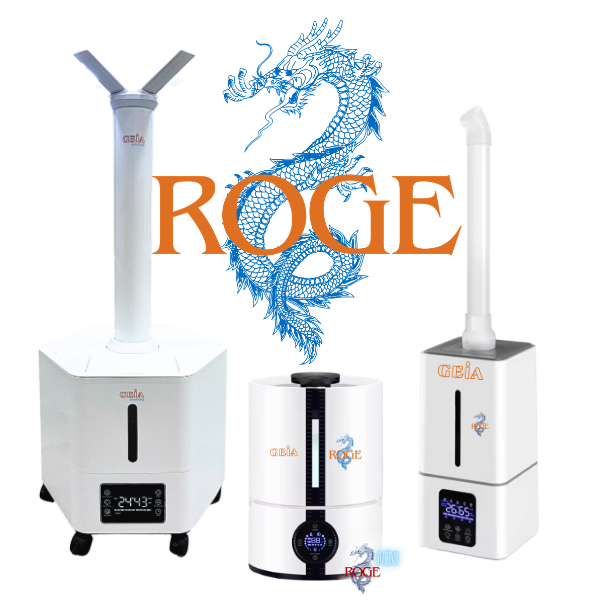
Portable AYRUS treats the whole interior in minutes — seats, vents, floors, and the air — with no wiping. Or set-in-place ROGE runs an intermittent fog cycle in a parked bus overnight at the yard.
Back on Route
The dry mist leaves no residue and needs no drying time, so the bus is ready for its next run. Tablets refilled on schedule; descaler every 6 months.
Frequently Asked Questions
Minutes, not hours. The dry mist fills the whole cabin and reaches every surface automatically, so a single bus is treated quickly between routes — keeping the fleet on schedule with minimal downtime and no added labor.
No wipe-down is required. It's a wet application, but the mist is ultra-fine — 1–3 micron particles that reach seats, rails, floors, vents, and hard-to-clean areas without leaving the cabin wet, and with no residue. There's no drying time, so the bus is ready to roll.
Hypochlorous is gentle, non-toxic, non-irritating, and residue-free — the same molecule the human immune system produces. The treated cabin is safe for students, drivers, and staff. Your distributor will confirm the right cycle settings and chemistry for your fleet.
No. GEIA works alongside your existing cleaning — never in place of it. Your crew cleans the bus first, high-touch surfaces get wiped, and then GEIA dry misting treats the whole interior and the air those steps couldn't reach. It's an added layer, not a substitute.
By treating the whole cabin and the air, GEIA helps reduce the pathogens that cause illness to spread and the odors that build up over a full route. Fleets report fewer ride complaints and a fresher cabin — supporting healthier students and drivers without adding maintenance hours.
GEIA equipment disperses hypochlorous solutions. EPA registration sits with the chemistry, not the equipment. 3.3g and 6.5g Tablets are EPA-registered HOCl-producing tablets. GEIA equipment is also compatible with other EPA-registered HOCl tablets, ready-to-use HOCl, and HOCl generators many distributors supply. Your distributor will confirm the chemistry your fleet uses meets your requirements.
Keep the Whole Fleet Healthier — Without Adding Labor
Get a custom quote for your fleet, or schedule a live demo — we'll treat a bus interior while your transportation team stays nearby and watches it work.