Treat the Whole Room. Between Patients. Without Closing It.
HOCl dry misting reaches the air, the surfaces, and the corners EVS teams can't get to between turnovers. It runs alongside your terminal cleaning protocol — never in place of it — so rooms come back online faster and waiting areas stay safe while staff and patients keep moving through them.
GEIA Dry Misting in Hospitals & Healthcare
Watch dry misting treat patient rooms and common areas as part of terminal cleaning.
A Cleaned Room and a Treated Environment Are Not the Same Thing.
EVS teams do the hard, visible work: stripping the bed, wiping the rails, mopping the floor, swapping the curtain. The protocol is sound. The labor is honest. But what's left after a manual wipe-down — the air the next patient will breathe, the ceiling tile above the bed, the privacy curtain seam, the wall behind the IV pole — was never in the protocol to begin with.
Meanwhile, the room sits. Every minute a room is out of service is a bed not generating revenue, a patient not admitted, a discharge delayed downstream. Terminal cleaning is the floor, not the ceiling.
- An environmental treatment that runs between patients, not just at end-of-shift
- Coverage that reaches what a wipe can't — vents, fabric, ceilings, the air itself
- Chemistry safe enough for occupied waiting rooms, oncology suites, and ambulance bays
- A workflow EVS staff can run without adding new contractors or new training certifications
Dry Misting Fills the Whole Room. Manual Cleaning Cannot.
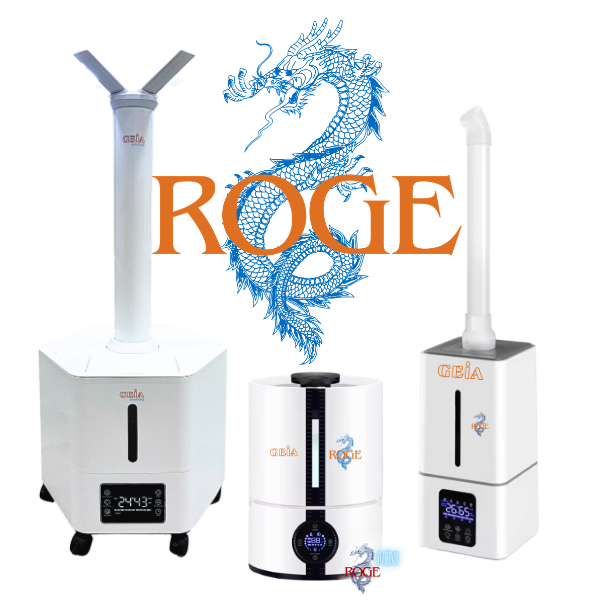
GEIA equipment disperses hypochlorous as a 1–3 micron mist that fills the entire volume of the space — air, every surface, every crevice — in minutes. Hypochlorous is the same molecule the human immune system produces. It carries a pH of about 6.5, leaves no residue, and breaks down to saline. The chemistry is safe enough for occupied spaces; the application reaches what an EVS cart never could.
Run Between Patients
Treatment cycles fit inside turnover windows. The room can be back online while still hitting your IP protocol.
Reach Air & Surfaces Together
A single cycle treats the air the next patient will breathe and the surfaces around them — at the same time.
Safe in Occupied Spaces
Waiting rooms, oncology infusion suites, and emergency bays can remain occupied during treatment. No evacuation. No PPE escalation.
Built for Patient-Room Turnover and High-Throughput Spaces
What Changes When the Whole Room Is Treated
"We've integrated GEIA into our room turnover workflow. It runs while our EVS team finishes the wipe-down. The room is back online faster and the air quality feedback from our nursing staff has been overwhelmingly positive."
— Infection Prevention Lead, hospital system (name on file)
How GEIA Fits Into Your Existing EVS Workflow
EVS Cleans First
Strip linens, wipe high-touch surfaces, mop floors, replace curtains — your existing terminal cleaning protocol runs first, unchanged.
Run GEIA
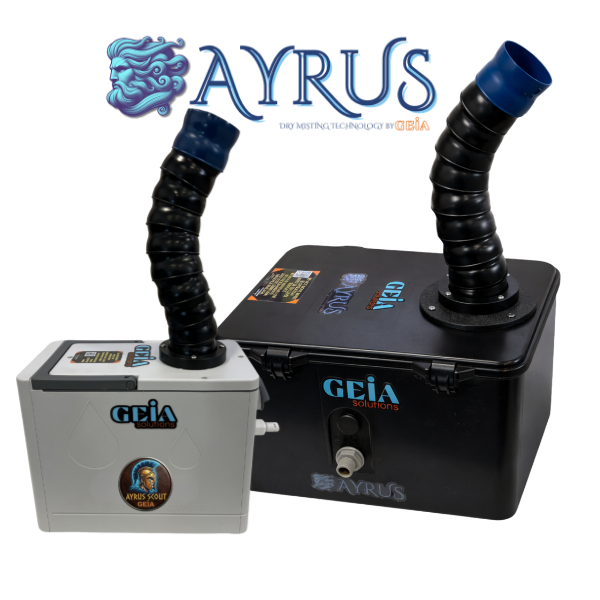
A portable AYRUS carried into the room treats the full volume — air, ceiling, vents, fabric, the spaces wipes don't reach.
Room Back Online
Dry mist evaporates with no residue. Bed is made. Room is ready for the next admission, with the whole environment treated — not just what was wiped.
Document & Maintain
EVS logs the cycle. Tablets refilled on schedule. Descaler every 6 months. Total ongoing labor: minutes per unit per month.
Frequently Asked Questions
No. GEIA works alongside your existing protocol — never in place of it. EVS cleans first (visible soil removal, high-touch wipe-down). GEIA then treats the full environment that manual cleaning can't reach. The two together form a more thorough room turnover than either does alone.
Yes. Hypochlorous is the same molecule the human immune system produces — pH around 6.5, no harsh fumes, no residue. Facilities run GEIA during occupied hours in waiting rooms, oncology infusion suites, and ED triage areas without evacuation or PPE escalation. We always recommend confirming with your facility's infection prevention lead during onboarding.
GEIA is documented as an environmental application step — added to your existing cleaning log, not replacing any existing line item. We provide downloadable SOP templates, cycle-time records, and chemistry SDS sheets to attach to your facility's protocol binder.
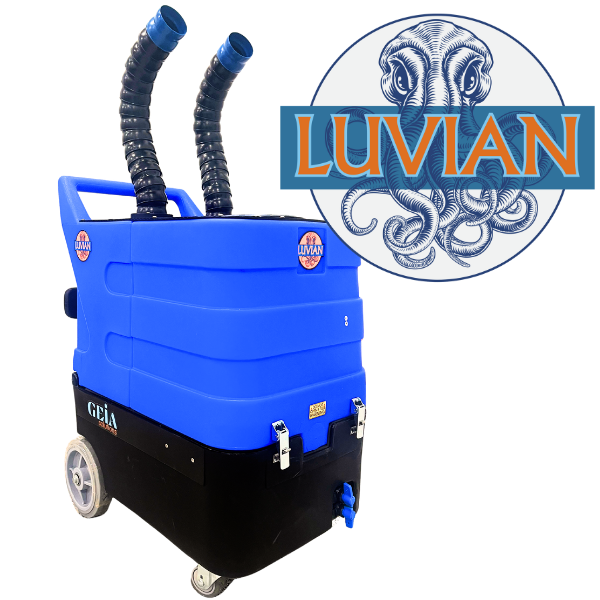
A portable AYRUS carried in (or a mobile LUVIAN rolled in) follows the standard turnover wipe. A cycle for a typical OR runs in minutes — sized to room volume — and the room is back online for the next case. EVS staff can run it as part of normal turnover; no specialized contractor is required.
The portable AYRUS unit is built for fast deployment in confined spaces — ambulance interiors, patient transport vans, equipment rooms. Carried unit to unit, a full vehicle interior cycle completes in minutes between calls. See the AYRUS product page for full portable specs.
GEIA equipment disperses hypochlorous solutions. EPA registration sits with the chemistry, not the equipment. 3.3g and 6.5g Tablets are EPA-registered HOCl-producing tablets. GEIA equipment is also compatible with other EPA-registered HOCl tablets, ready-to-use HOCl, and HOCl generators many distributors supply. Your distributor will confirm the chemistry your facility uses meets your jurisdiction's requirements.
Ready to Treat the Whole Environment?
Get a custom quote for your facility, or schedule a live demo — we'll mist a room while your IP team watches.