Whole-Space Protection for the Places Animals Depend On.
In a shelter, density is the disease. URI, ringworm, parvo, and panleukopenia move fast through tightly housed populations — and an outbreak doesn't just fill the medical ward, it raises the euthanasia pressure on every cage. HOCl dry misting gives you whole-space coverage of air, surfaces, and odors as a layer alongside standard cleaning, gentle enough to run in occupied kennels.
GEIA Dry Misting in Animal Shelters & Rescues
See intake, exam, and transfer areas treated in high-turnover conditions.
When Disease Spreads in a Shelter, It Isn't Only a Health Problem. It's a Capacity Problem.
High-density housing is what makes a shelter work — and what makes it vulnerable. Upper respiratory infection moves through the air a whole room shares. Ringworm rides on surfaces and porous materials. Parvo can persist in the environment for months. Intake is the chokepoint: every new animal arrives with an unknown history, into a building already running near capacity. Your cleaning protocol handles the surfaces a team can reach, but it can't treat the air, and it can't be everywhere at once during a busy intake day.
When an outbreak takes hold, the cost isn't measured only in medical hours. It's measured in the cages you can't fill, the adoptions you have to pause, and the impossible decisions that come when disease and capacity collide. Shelter teams aren't looking for another label on the wall — they need an added layer that helps hold the environment steady so fewer animals get sick in the first place.
- Whole-space coverage of air, surfaces, and odors — not just wiped surfaces
- A layer that reaches cracks, cages, and porous materials a team can't get to by hand
- Treatment that runs in occupied kennels without moving stressed animals
- A way to ease transmission pressure during intake and outbreaks — without adding labor
Coverage That Reaches the Whole Room — Cages, Corners, and Air.
GEIA equipment disperses hypochlorous as an ultra-fine 1–3 micron mist that fills a space and gently settles, providing consistent whole-room coverage — reaching the cracks, cages, and porous materials manual cleaning leaves uneven. Hypochlorous is the naturally occurring molecule the immune system produces to fight infection; after use it breaks down into a simple saline solution, with none of the harsh residues, fumes, or corrosion of traditional chemicals. Used alongside standard cleaning practices, GEIA helps shelters maintain healthier environments for animals, staff, and visitors — without shutting down daily operations.
Whole-Space Coverage
Air, surfaces, and odors in one cycle — reaching cracks, cages, and porous materials across intake, isolation, and the general population rooms.
Safe in Occupied Kennels
Gentle enough to run while animals stay in their cages, so a stressed population doesn't have to be moved for the environment to be treated.
Odor That Welcomes Adopters
The same cycle helps address odor-causing compounds throughout the building — so the adoption floor smells cared-for, and animals show better.
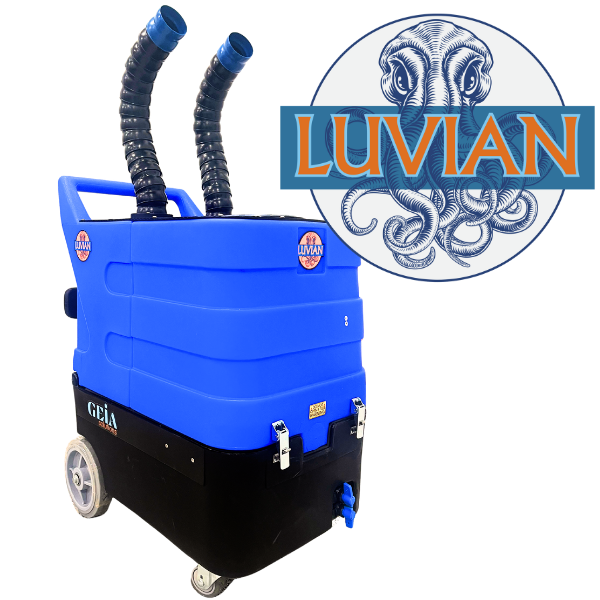
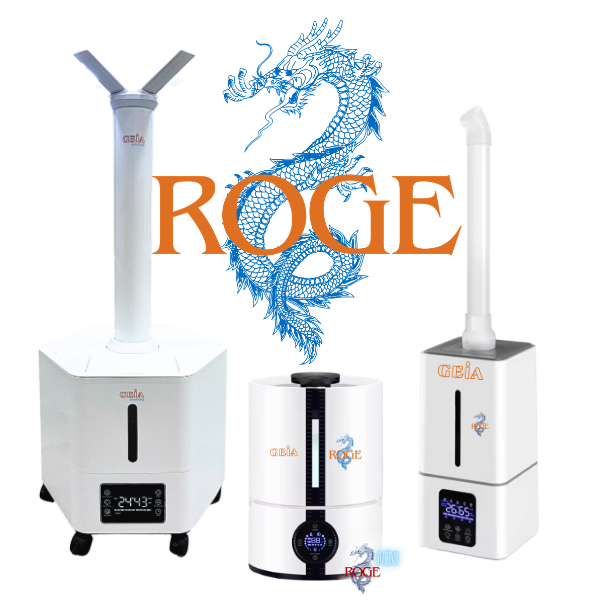
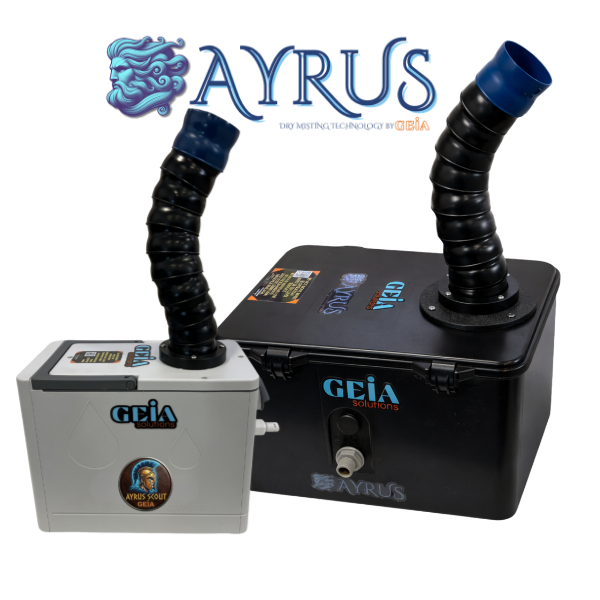
Roll It Through the Floor. Program the Ward. Carry It to Intake.
What Changes When the Whole Building Is Treated
"We clean the way we always have, and the LUVIAN rolls through the kennels after. It treats the air and the cages we couldn't reach by hand, the animals stay in their runs, and the whole building smells better for adopters. Steadier intake season is what it's bought us — fewer rooms going down at once."
— Shelter Operations Lead, municipal shelter (name on file)
How GEIA Fits Into Your Shelter's Daily Operations
Clean as You Always Do
Run your standard cleaning, disinfecting, and isolation practices first, unchanged. Dry misting is an added layer alongside them, never a replacement for them.
Run GEIA
Roll the LUVIAN through the general population rooms, let a set-in-place ROGE run intermittent fog cycles in isolation, and carry the portable AYRUS to intake and exam. The mist fills each space and settles.
Keep Operating
Coverage runs without shutting down daily operations — animals stay in occupied kennels, the mist leaves no residue, and there's nothing to rinse or mop up after.
Refill & Maintain
Drop in tablets or refill solution on schedule. Descaler every 6 months. Ongoing labor: minutes per unit per month — coverage that holds during the busiest intake stretches.
Frequently Asked Questions
No — and we won't claim that. GEIA dry misting equipment is an application method, not a disinfectant, and it does not carry kill claims. It helps reduce the environmental load of the pathogens behind URI, ringworm, parvo, and panleukopenia by giving you consistent whole-space coverage of the air, cages, and porous materials manual cleaning can't fully reach. It's one layer in your infection-control program — used alongside cleaning, isolation, and veterinary care, never as a replacement for any of them.
Yes. Hypochlorous is the same molecule the immune system produces to fight infection — non-toxic and residue-free — so GEIA can be used while spaces are occupied. A stressed shelter population doesn't have to be moved for the environment to be treated. Follow the directions and safety data sheet for the chemistry your shelter uses.
No. Standard cleaning, disinfecting, and isolation stay your foundation. GEIA is used alongside those practices as an added layer — it helps shelters maintain healthier environments by reaching the air and the hard-to-reach areas after the team has cleaned. It supports your protocols; it doesn't replace them.
Yes. The big mobile LUVIAN rolls through large facilities with high fog output and large solution capacity for whole-room sweeps of the general population. A set-in-place ROGE handles fixed isolation or medical wards on a set routine, and the portable AYRUS covers intake and exam areas. Your distributor will help size the right mix for your floor plan.
GEIA equipment disperses hypochlorous solutions. EPA registration sits with the chemistry, not the equipment. 3.3g and 6.5g Tablets are EPA-registered HOCl-producing tablets. GEIA equipment is also compatible with other HOCl tablets, ready-to-use HOCl, and HOCl generators many distributors supply. Your distributor will help match the right chemistry to your shelter.
Protect the Animals — and the Capacity — Your Shelter Depends On.
Get a custom quote for your shelter, or schedule a live demo — we'll mist a kennel room while your team and the animals stay right where they are.