Protect the Air, the Parlor, and the Herd. Without Clearing the Barn.
HOCl dry misting treats the bedding, stalls, parlor walls, ceilings, and corners your wash routine can't reach — and the barn air itself. Hypochlorous is the same molecule a cow's own immune system makes. It's safe to mist around cows, calves, and workers, with no PPE and no milk-safety risk. An added layer of protection alongside your standard cleaning and sanitizing — never a replacement for it.
GEIA Dry Misting in Dairy Operations
See dry misting treat milk rooms, calf housing, and tight corners.
Manual Cleaning Stops at the Surfaces You Can Reach. The Disease Pressure Doesn't.
A dairy environment is under constant microbial pressure. The bacteria behind mastitis, the respiratory and environmental organisms that move through a herd, the ammonia and organic odors that stress cows and crew — they live in the bedding, the corners, the porous parlor walls, and the air. Your wash-and-sanitize routine handles the surfaces a hose or cloth can reach. It doesn't reach the cracks and overhead structure where pathogens harbor, and it doesn't treat the air at all.
Every routine you add competes with milking schedules and labor you don't have to spare. Harsh disinfectants like iodine mean special handling, downtime, and the risk of residue near milk-contact surfaces. What producers want is a layer that treats what manual cleaning misses — air included — without disrupting daily routines or putting animals and workers at risk.
- Coverage that reaches bedding, stalls, ceilings, corners, and the parlor air — not just wetted surfaces
- A chemistry safe to run around cows, calves, and employees, with no PPE and no milk-safety risk
- Help with barn air quality and ammonia odor that stresses the herd and the crew
- A workflow that runs during or after milking with minimal labor — no routine to rewrite
A Fine Mist That Stays Suspended — Then Settles Everywhere.
GEIA equipment releases hypochlorous as a 1–3 micron mist light enough to stay suspended in barn and parlor air, then settle onto surfaces for broad coverage. It reaches the cracks, corners, bedding, and equipment that are otherwise hard to sanitize. Hypochlorous is the same molecule the immune system of every mammal makes to fight infection. It's non-toxic, pH neutral, breaks down to simple saline, and is safe around animals, workers, and food-contact surfaces. The mist treats air and surfaces in one pass while neutralizing ammonia and organic odors.
Reaches What Cleaning Misses
Bedding, stalls, ceilings, and corners get consistent coverage — helping reduce the disease pressure that hides in hard-to-reach areas before it can spread through the herd.
Cleaner Air, Less Odor
Hypochlorous naturally neutralizes ammonia and organic odors, improving barn air quality and easing respiratory strain on cows and workers alike.
Safe in Occupied Spaces
No special handling, no PPE, no milk-safety risk. Run misting cycles during or after milking with minimal labor — animals and staff stay in place.
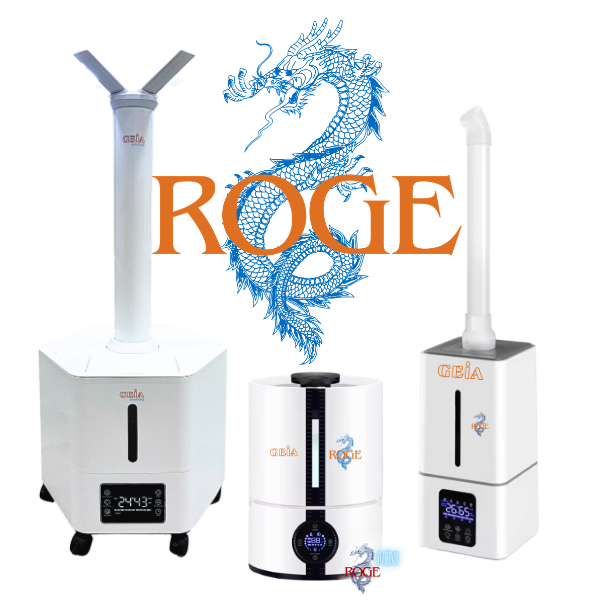
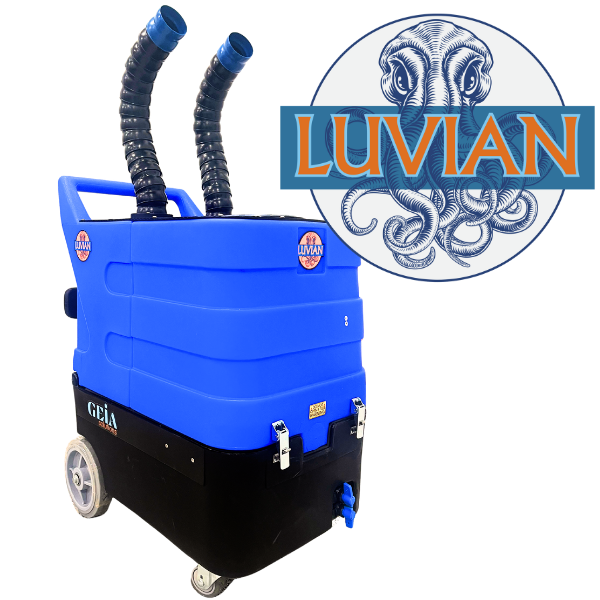
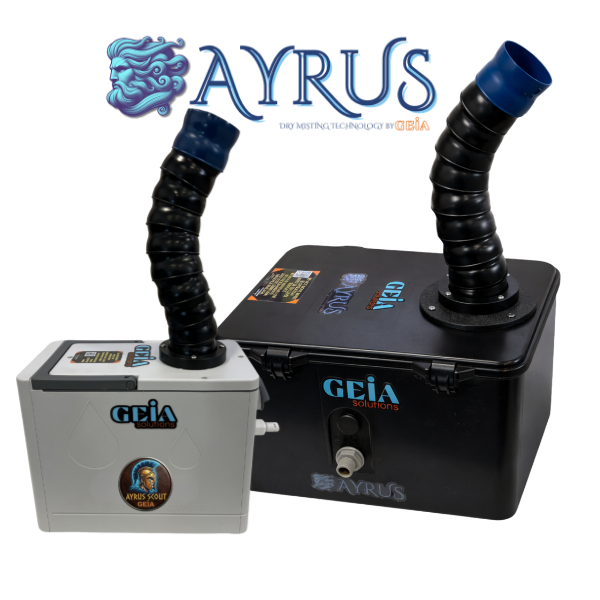
Sized for Parlors, Bulk Tank Rooms, and Whole Barns
What Changes When the Air and the Corners Get Treated Too
"We run the misting cycle right after milking. The cows never have to leave, the crew doesn't gear up, and the barn air smells different by the next morning. It's another layer of peace of mind on top of the wash routine we already trust."
— Herd Manager, dairy operation (name on file)
How GEIA Fits Into the Milking Day
Run Your Standard Cleaning
Your existing wash-and-sanitize routine for parlors, equipment, and milk-contact surfaces runs first, unchanged. HOCl misting is an added layer, never a replacement for it.
Run GEIA
Set-in-place ROGE runs intermittent fog cycles in the parlor or bulk tank room. Mobile LUVIAN covers large free-stall barns. Portable AYRUS handles calf housing and milk rooms — treating air and the surfaces cleaning missed.
Animals and Crew Stay Put
The fine mist settles and the hypochlorous breaks down to saline. No need to clear the barn, no PPE, no residue near milk. Run it during or after milking with minimal labor.
Maintain on a Simple Schedule
Refill tablets or solution on schedule. Descaler every 6 months. Spray-and-wipe HOCl is available for direct surface work on parlor walls and equipment. Ongoing labor: minutes per unit per month.
Frequently Asked Questions
No. Dry misting with hypochlorous does not replace your standard cleaning and sanitizing practices. It's an additional tool designed to treat the air and the surfaces that may have been missed during normal procedures — bedding, stalls, ceilings, corners, and parlor air. Your wash routine runs first; GEIA adds the layer on top.
No. Hypochlorous is the same molecule a cow's own immune system produces. Unlike iodine or harsh chemical disinfectants, it's non-toxic and requires no special handling. It can be misted around cows, calves, and employees without risk to skin, lungs, or milk safety, and no PPE is required for routine use.
GEIA equipment is an application method and makes no kill claims. The bacteria behind mastitis and the respiratory and environmental organisms a dairy manages are named here as the disease pressure your operation faces — not as a GEIA efficacy claim. Hypochlorous chemistry helps reduce overall environmental pressure as an added layer; any disinfectant efficacy claim belongs to the EPA-registered chemistry, not the equipment.
Yes. Because the mist is safe in occupied spaces and leaves no harmful residue, cycles can run during or after milking sessions with minimal labor. A set-in-place ROGE on a timer handles a parlor automatically; a mobile LUVIAN covers a larger free-stall barn between or around milkings.
Hypochlorous naturally neutralizes ammonia and organic odors in addition to settling on surfaces. Dairies report improved barn and parlor air quality and reduced respiratory strain on the herd and crew. Cleaner air is part of why producers add misting as a daily layer.
GEIA equipment disperses hypochlorous solutions and is itself not EPA-registered as a disinfectant. EPA registration sits with the chemistry. 3.3g and 6.5g Tablets are EPA-registered HOCl-producing tablets. GEIA equipment is also compatible with other EPA-registered HOCl tablets, ready-to-use HOCl, and HOCl generators many distributors supply. Confirm milk-contact-surface compatibility with the chemistry registration your operation uses.
Ready to Protect the Air, the Parlor, and the Herd?
Get a custom quote for your operation, or schedule a live demo — we'll mist a parlor or barn while your team and the herd stay right where they are.