
Treat the Room Without Moving the Resident.
HOCl dry misting works alongside your housekeeping team to reach the air, soft surfaces, and corners a cart never could — while residents stay safely in their rooms. Outbreak response gets faster. Odors fade. Survey-ready protocols stay intact.
GEIA Dry Misting in Assisted Living & Senior Care
Watch dry misting treat resident rooms and common areas without disrupting residents.
When a Norovirus Wave Hits a Memory-Care Wing, Cleaning Carts Can't Move Fast Enough.
Your housekeeping team is doing the work. They wipe rails, change linens, mop floors, swap curtains. But residents can't always be moved. Air recirculates through HVAC. Soft chairs and fabric privacy curtains hold what wipes never touched. By the time the cart has worked its way down the hallway, the air in the first room is already mixing with the air in the fifth.
And then there's the odor — incontinence care, end-of-life, post-illness rooms. The smell families notice the moment they walk in. The smell that no spray-and-walk-away product ever really fixed.
- Treatment that runs with residents in the room — moving a memory-care resident is not always an option
- Real odor reduction in resident rooms, common areas, and the dining hall
- Outbreak-response capacity that doesn't wait for a contractor crew
- Documentation that holds up under state survey and infection-prevention review
Dry Misting Reaches the Room. The Resident Stays Put.
GEIA equipment disperses hypochlorous as a 1–3 micron mist that fills the full volume of a room — air, soft surfaces, ceiling, the privacy curtain seam, the fabric chair, the spaces a wipe cloth was never going to reach. Hypochlorous is the same molecule the human immune system produces. It carries a pH of about 6.5, has no harsh fumes, leaves no residue, and breaks down to saline. Residents — including frail or memory-care residents — can remain in the room during cycles.
Resident-in-Room Treatment
No moving residents to common areas. No relocation stress. The room is treated while the person who lives in it stays safely inside.
Real Odor Removal
HOCl chemistry breaks down odor-causing compounds rather than masking them. Families notice the difference at the front door.
Fast Outbreak Response
When a norovirus or respiratory illness wave hits, mobile units treat affected wings on the same shift — not days later.
Built for Resident Rooms, Memory Care Wings, and Common Areas
What Changes When the Whole Wing Is Treated
"The odor difference in our memory-care wing was the first thing families commented on. Our housekeeping team didn't change a single thing about how they clean — GEIA just runs alongside what they were already doing."
— Executive Director, assisted living community (name on file)
How GEIA Fits Into Your Existing Housekeeping Workflow
Housekeeping Cleans First
Strip and change linens, wipe high-touch surfaces, mop floors, replace curtains — your existing housekeeping protocol runs first, unchanged.
Run GEIA
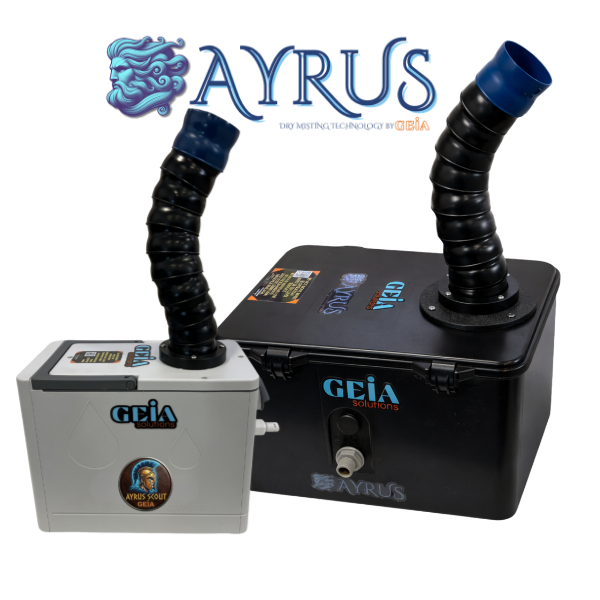
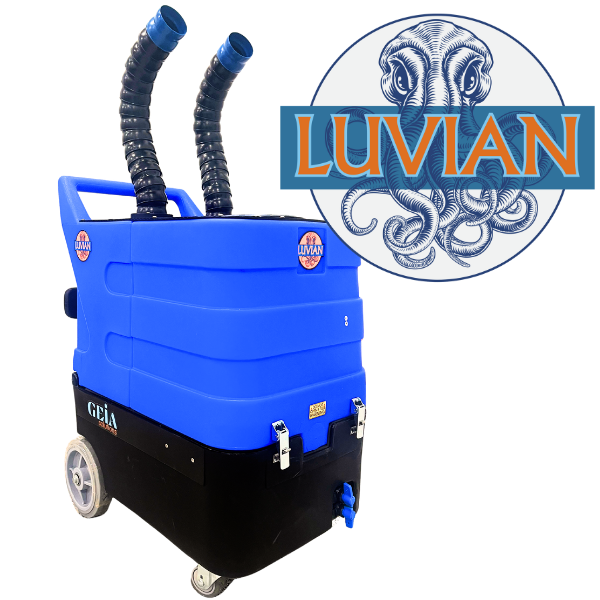
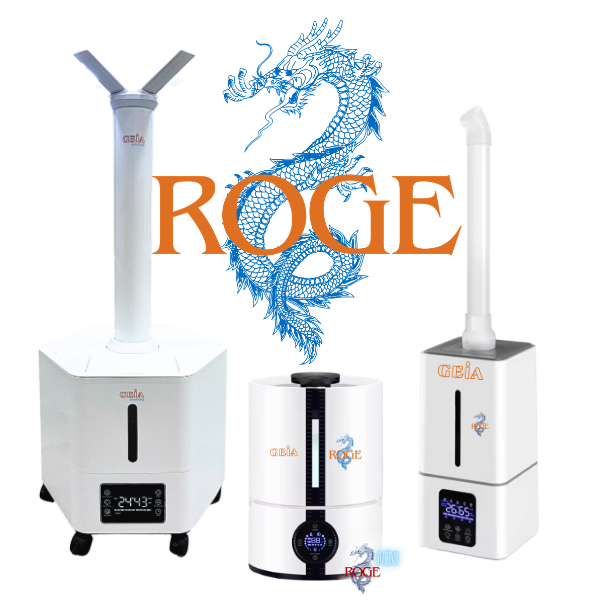
Portable AYRUS treats resident rooms, carried room to room. Mobile LUVIAN handles common areas, dining halls, and outbreak response; set-in-place ROGE runs a fixed room on a set routine.
Resident Stays In Room
No relocation. No PPE escalation for staff. The dry mist evaporates with no residue. The room is treated while the resident remains safely inside.
Document & Maintain
Housekeeping logs the cycle for survey readiness. Tablets refilled on schedule. Descaler every 6 months. Ongoing labor: minutes per unit per month.
Frequently Asked Questions
Yes. Hypochlorous is the same molecule the human immune system produces — pH around 6.5, no harsh fumes, no residue, no PPE escalation. Facilities run cycles with residents in the room — including memory-care, hospice, and oncology recovery residents. We always recommend confirming with your medical director and infection preventionist during onboarding.
No. GEIA works alongside your housekeeping team — never in place of them. Cleaning still happens first. GEIA then treats the air, fabric, and corners that wipes don't reach. The two together form a more thorough turnover than either does alone.
GEIA is documented as an environmental application step — added to your existing housekeeping log, not replacing any existing line item. We provide downloadable SOP templates, cycle-time records, and chemistry SDS sheets to attach to your facility's protocol binder for survey readiness.
Portable AYRUS or mobile LUVIAN units can be deployed wing-by-wing during the same shift the outbreak is identified — no waiting for a contractor crew. Affected resident rooms, shared bathrooms, dining halls, and activity rooms can all be treated in series. Your distributor can help you build an outbreak-response SOP that integrates GEIA into your existing IP protocol.
AYRUS units are designed for quiet operation in occupied rooms. Many facilities schedule cycles during normal awake hours alongside housekeeping rounds. Cycle scheduling is fully configurable to your facility's resident routines.
GEIA equipment disperses hypochlorous solutions. EPA registration sits with the chemistry, not the equipment. 3.3g and 6.5g Tablets are EPA-registered HOCl-producing tablets. GEIA equipment is also compatible with other EPA-registered HOCl tablets, ready-to-use HOCl, and HOCl generators many distributors supply. Your distributor will confirm the chemistry your facility uses meets your state's requirements.
Ready to Treat the Whole Wing — Without Moving Residents?
Get a custom quote for your facility, or schedule a live demo — we'll mist a resident room while your DON and housekeeping lead watch.